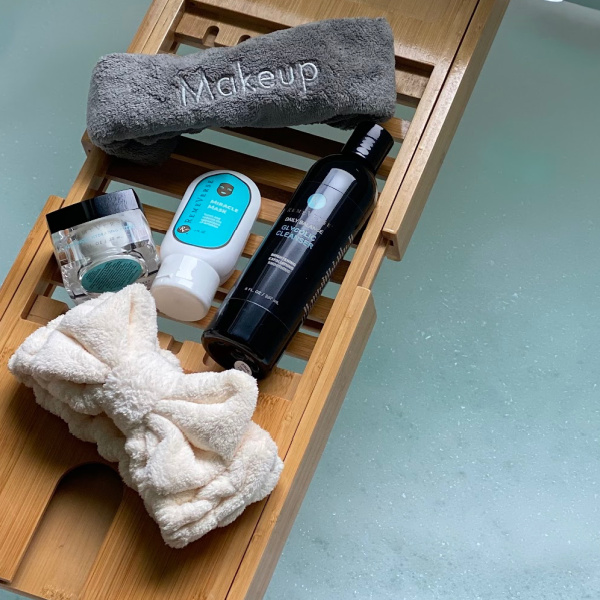
Introduction to Skincare Product Labels
Understanding skincare product labels is crucial for anyone looking to improve their skin health. With a plethora of products available in the market, ranging from moisturizers to anti-aging serums, it becomes essential to decipher what these labels mean to make informed choices. Skincare products can vary significantly in their formulation, benefits, and suitability for different skin types, making it imperative to know how to read and understand these labels effectively.
This guide aims to equip you with a comprehensive understanding of skincare product labels. From decoding the ingredients list to recognizing marketing claims and certifications, this article will provide you with the tools needed to navigate the often confusing world of skincare. By the end of this guide, you’ll be able to make educated decisions about your skincare regimen, ensuring that each product you choose aligns with your skin’s unique needs.
Decoding the Ingredients List
Why Ingredients Matter
The ingredients list is where the real information about a skincare product lies. It contains a detailed breakdown of every substance included in the formulation, which can significantly impact your skin. Understanding the ingredients can help you separate beneficial components from potentially harmful ones, enabling you to choose products that cater specifically to your skin type. Knowledge of ingredients can also help you avoid irritants or allergens that could exacerbate skin conditions.
Moreover, the ingredients list allows you to understand the efficacy and purpose of the formulation. For example, a moisturizer should ideally contain hydrating ingredients such as hyaluronic acid or glycerin, while a sunscreen should feature active ingredients like zinc oxide or avobenzone. By paying attention to these details, you can select products that provide the best results for your skin.
Common Ingredients to Look For
When reading skincare labels, certain ingredients stand out as particularly beneficial for skin health. Here are some common ones:
- Hyaluronic Acid: A powerful humectant that helps retain moisture in the skin.
- Niacinamide: Known for its anti-inflammatory properties, it helps improve skin elasticity and tone.
- Retinol: A vitamin A derivative that promotes cell turnover and reduces signs of aging.
- Vitamin C: An antioxidant that helps brighten the complexion and protect against environmental damage.
By including products that feature these ingredients, you can enhance your skincare routine and target specific skin concerns effectively.
Ingredients to Avoid
Conversely, some ingredients may be detrimental to skin health. It’s valuable to recognize what to avoid:
- Fragrance: Often a leading cause of irritation and allergic reactions.
- Alcohol: While it can provide an immediate drying sensation, it may lead to long-term dryness and irritation.
- Sulfates: Commonly found in cleansers, these can strip skin of natural oils, leading to dryness.
By familiarizing yourself with these harmful ingredients, you can make better choices that promote skin health rather than compromise it.
Understanding Product Claims
What Do Common Claims Mean?
Skincare products often come with labels boasting various claims such as anti-aging, hypoallergenic, or dermatologist-tested. However, these terms can sometimes be misleading. For instance, the term anti-aging does not have a standard definition and can vary from one product to another. It’s important to research what these claims mean and whether they are supported by scientific evidence.
Additionally, terms like non-comedogenic imply that the product will not clog pores, but this is not a regulated claim. Therefore, what works for one person may not work for another. Always seek out products that have been clinically tested for their claims, and consult dermatological advice if necessary.
How to Identify Marketing Ploys
Marketing tactics can easily mislead consumers into buying products that may not deliver the promised results. Watch out for buzzwords or trends that lack substantive backing. For example, products labeled as miracle or instant solutions often fail to provide long-term benefits. Always prioritize products that are backed by dermatological research and have clear, evidence-based claims rather than those that rely solely on marketing hype.
Reading reviews and consulting trusted sources can help you discern more effectively which products are worth your investment. The skincare community is a great resource for uncovering genuine experiences and results from other users.
Recognizing the Order of Ingredients
How Ingredients are Listed
The order of ingredients on a label is not arbitrary; it follows a specific guideline, with ingredients listed in descending order based on their concentration within the product. This means the first few ingredients are present in the highest amounts, while those at the end of the list are included in much smaller quantities. Understanding this can help you determine whether a product will truly provide the benefits it claims.
For example, if a moisturizer lists water as the first ingredient followed by glycerin and hyaluronic acid, you can infer that these hydrating properties are central to the product. Conversely, if active ingredients are listed towards the bottom of the list, their effectiveness may be limited due to their low concentration.
What the Order Can Tell You
In addition to understanding ingredient concentration, the order can give you insight into the product’s purpose and formulation. A product designed for oil control may list clay or salicylic acid early on, while a hydrating cream will prioritize humectants and oils. Recognizing these patterns allows you to select products that align with your skincare goals more effectively.
As such, always take a quick glance at ingredient ordering when selecting skincare products to ensure you’re investing in formulations that provide the desired results for your skin.
Identifying Skin Type-Specific Ingredients
Ingredients for Oily Skin
For those with oily skin, it’s essential to look for lightweight, non-comedogenic ingredients that won’t exacerbate oiliness. Ingredients like salicylic acid, which helps to unclog pores, and niacinamide, renowned for regulating oil production, are particularly beneficial. Additionally, products containing tea tree oil can provide antibacterial properties without overly drying out the skin.
Choosing gel-based cleansers and oil-free moisturizers can also help manage excess oil while keeping the skin hydrated and balanced.
Ingredients for Dry Skin
In contrast, individuals with dry skin should prioritize ingredients that lock in moisture and provide hydration. Look for products featuring ceramides, which help restore the skin’s barrier, and hyaluronic acid for its moisture-retaining capabilities. Other beneficial ingredients include shea butter and squalane, which nourish and soften the skin.
Rich creams and occlusive agents can prevent moisture loss and ensure that your skin stays hydrated throughout the day.
Ingredients for Sensitive Skin
Those with sensitive skin should look for gentle, soothing ingredients that minimize irritation. Products containing chamomile, aloe vera, and calendula are excellent options for calming the skin. Avoiding harsh exfoliants and fragrances is crucial, as these can trigger reactions in sensitive skin.
When selecting products, opt for those labeled as hypoallergenic or dermatologist-tested to reduce the risk of negative responses.
Understanding Additional Labels and Certifications
What Natural and Organic Labels Mean
The terms natural and organic have gained traction in the skincare industry, but their meanings can vary widely. In many regions, these terms are not strictly regulated, which can lead to misleading claims. Generally, organic indicates that the ingredients are derived from plants grown without synthetic fertilizers or pesticides. Natural suggests that the product is made with ingredients sourced from nature, but it does not guarantee the absence of synthetic components.
To ensure authenticity, look for certifications from recognized bodies that verify organic ingredients, such as the USDA Organic seal. Also, investigate brands that provide transparency regarding their sourcing practices and formulations.
The Importance of Cruelty-Free Certification
As consumers become increasingly aware of ethical considerations, the demand for cruelty-free products has surged. Brands that are cruelty-free do not test their products on animals, and many consumers prefer to support companies that uphold these values. Look for certifications from organizations like Leaping Bunny or PETA, which verify that strict animal welfare standards are met.
Choosing cruelty-free products not only aligns with ethical beliefs but also supports brands that promote humane practices in the beauty industry.
Reading Between the Lines: Packaging and Marketing
The Role of Packaging in Skincare Products
Packaging is often designed to attract consumers visually, but it can also provide insights into the product’s quality. For example, opaque or air-tight packaging helps protect sensitive ingredients like antioxidants from light and air, which can degrade them. On the other hand, clear bottles may expose contents to harmful UV rays, affecting efficacy.
Assessing the packaging can help you make better choices. Opt for products that prioritize preservation and longevity, as this can enhance the shelf life of beneficial ingredients.
Identifying Genuine vs. Misleading Marketing
With the marketing of skincare products becoming increasingly sophisticated, it’s crucial to distinguish between genuine benefits and exaggerated claims. Look for clear, rather than vague, descriptions of the product’s technology and benefits. Brands that provide clinical studies or third-party validations lend credibility to their claims.
Additionally, be wary of products that promise miraculous results within unrealistic timeframes. Authentic skincare solutions often require consistent use over time to yield visible improvements.
Practical Tips for Reading Labels Effectively
Taking Your Time with Each Product
When evaluating skincare products, it’s essential to take your time. Avoid impulse purchases based solely on attractive packaging or catchy slogans. Instead, dedicate a few minutes to thoroughly read and understand the label. Make note of critical ingredients, product claims, and the overall formulation to ensure they align with your skincare goals.
By being diligent about reading labels, you empower yourself to make informed choices that will ultimately benefit your skin health.
Using Apps and Online Resources
In the digital age, numerous applications and online resources can assist you in understanding skincare ingredients better. Apps such as Think Dirty or INCI Decoder allow you to scan product barcodes and access detailed ingredient breakdowns, highlighting potential allergens and harmful substances.
Leverage these tools to deepen your understanding of skincare ingredients and make more informed purchasing decisions based on reliable, science-backed information.
Consulting with Professionals
While personal research is invaluable, consulting professionals can provide tailored advice suited to your unique skin concerns. Dermatologists or licensed estheticians can offer insights into which products may be most beneficial for your specific skin type and conditions.
Regular consultations can help you refine your skincare routine, ensuring that you are using products that deliver results and are safe for your skin.
Conclusion: Empowering Your Skincare Choices
Making Informed Decisions
Understanding how to read and interpret skincare product labels is a skill that can significantly enhance your skincare regimen. By familiarizing yourself with ingredients, recognizing marketing claims, and making informed choices based on your skin type, you can cultivate a routine that truly benefits your skin.
As you navigate the world of skincare, remember that knowledge is power. Armed with the insights shared in this guide, you can confidently select products that align with your personal skincare goals, ensuring that your skin remains healthy and radiant.
How RemeVerse Can Help You
For those seeking high-quality skincare products, RemeVerse offers a range of formulations designed to meet diverse skin needs. Our commitment to transparency and ethical practices ensures that you can trust our products. Explore our catalog to discover skincare solutions tailored for you, and join our community to share experiences and tips with fellow skincare enthusiasts.